
Seminar on Therapeutic Care
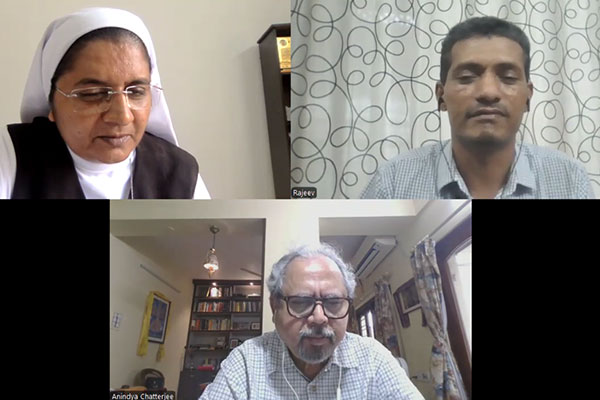
The first session in the Consultative Seminar Series ‘Buddha’s Teachings and Mental Well-Being: A Dialogue’ — organised by Atish Dipankar Dhyan Kendra’s Mental Health team — brought together Buddhist practitioners, mental health professionals and participants to explore how Buddhist teachings may inform therapeutic care in ethical, practical and context-sensitive ways.
The panellists for the seminar on ‘Therapeutic Care’, held on April 18, 2026, comprised Dr Anindya Chatterjee, psychiatrist and Buddhist teacher at Atish Dipankar Dhyan Kendra; Dr Sister Roshin Kunnel John, consultant psychologist, Salesian nun, certified MBCT trainer and director of Care of Minds, Kochi; and Dr Father Rajeev J. Michael, clinical psychologist and Carmelite priest who leads MBCT training.
The session combined panel discussions, breakout-room dialogues and guided meditation. Opening the session, Dr Pallavi Banerjee situated the discussion within growing interest in Buddhist approaches to mental well-being, framing the series as an inquiry into how
contemplative traditions might complement contemporary psychological models. Moderator Dr Diptarup Chowdhury introduced the wider series and facilitated dialogue among the panellists.
Dr Anindya Chatterjee emphasised mindfulness’s roots in Buddhist ethics, wisdom and transformative practice, while cautioning against commercialisation and decontextualisation. Dr Sister Roshin Kunnel John highlighted the clinical applications of mindfulness-based
interventions, particularly in emotional regulation and relapse prevention, while noting challenges in sustaining practice. Dr Father Rajeev J. Michael discussed mindfulness as a means of cultivating awareness, acceptance and resilience, emphasising the importance of consistent practice and embodied teaching.
Breakout discussions explored authenticity, meaning-making, compassion, sustaining practice and clinical integration. The session concluded that productive dialogue between Buddhist teachings and therapeutic care requires openness, critical inquiry, respect for diverse world views, and attention to lived experience rather than fixed answers.
To read the Executive Summary of the proceedings of Consultative Seminar Series 1, please click here